What corn and soybean producers need to know this harvest
Key takeaways
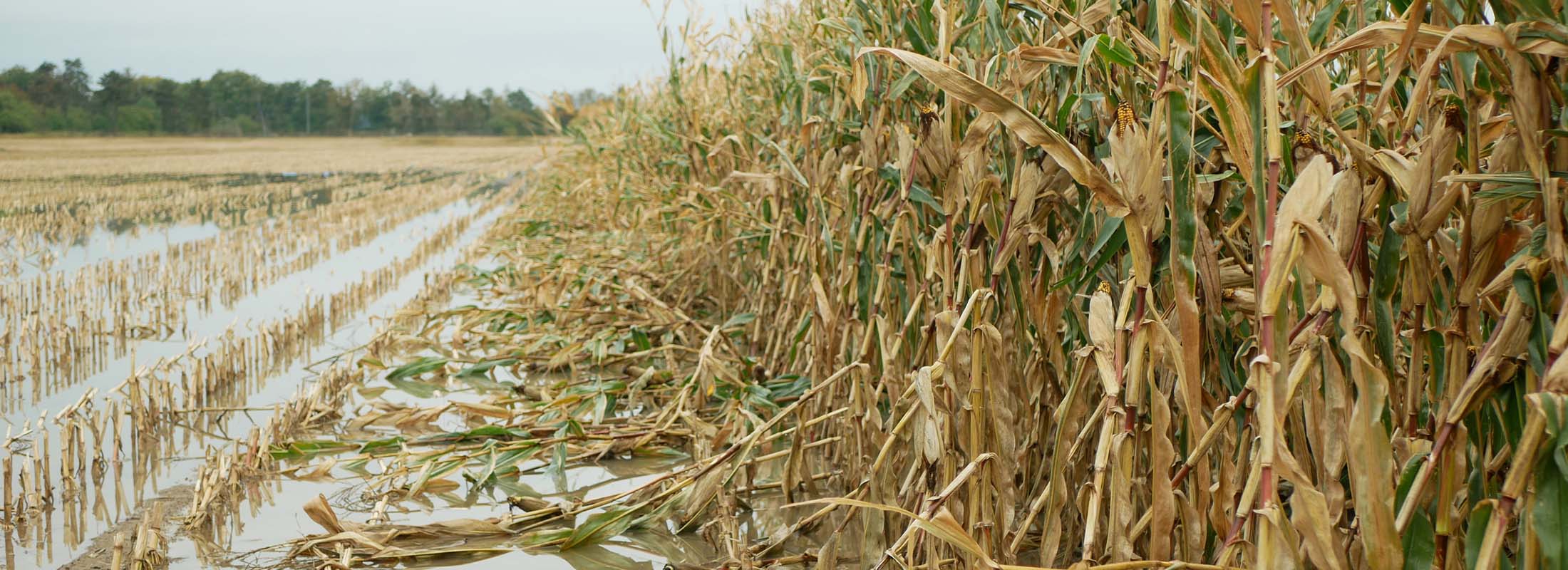
With a rainy harvest in the midwestern states, crop quality may be impacted.
If you suspect quality issues, contact your crop insurance officer as soon as possible.
The Quality Loss Option could impact Actual Production History (APH), so review your insurance policy with your insurance officer.
As harvest progresses, some producers may encounter grain quality concerns caused by excess moisture, mold development, sprouting, low test weight, kernel damage, or mycotoxins.
While these issues can affect grain marketability and value, they may also have implications for crop insurance.
Understanding how Quality Adjustment works, what documentation is required, and how the Quality Loss (QL) Option can impact Actual Production History (APH) can help producers make informed decisions when quality issues arise.
If you suspect any quality concerns, reach out to your crop insurance officer as soon as possible. Even if you aren’t our customer, we’d be happy to help you assess the situation and provide next steps.
What is Quality Adjustment?
Quality Adjustment is a crop insurance provision that may allow harvested production to be adjusted when grain quality falls below established standards due to qualifying conditions.
Unlike traditional yield losses, which focus on the number of bushels produced, Quality Adjustment addresses situations where grain was harvested but its value or usability is reduced because of quality concerns such as mold, sprouting, damage, or contamination. Depending on the circumstances, quality-adjusted production may be used in claim calculations and, when applicable, APH records.
Simply put:
Quality Adjustment focuses on condition and usability.
What corn and soybean producers should watch for
Quality concerns can take many forms, but several issues have become more common during wet harvest conditions, which has been a problem in many midwestern states this year.
Producers should monitor their crops for:
Mold development or damage
Sprouting
Vomitoxin and other mycotoxins
Kernel or bean damage
Low test weight
Musty or sour odors
Other grading concerns that affect marketability
It's important to remember that not every issue automatically triggers a quality adjustment. Eligibility depends on policy provisions, grading factors, testing results, and supporting documentation, which is where your crop insurance officer can help.
Five steps to take if crop quality issues are suspected
If you believe harvested grain may have a quality concern, taking the proper steps early can help ensure the issue is evaluated appropriately.
1. Contact your crop insurance agent
Discuss the situation as soon as quality concerns become evident. Early communication helps determine whether additional documentation or sampling may be required. Requirements vary by Approved Insurance Provider (AIP), so the earlier the communication, the better.
2. File a Notice of Loss
A Notice of Loss (NOL) should be filed when quality concerns are suspected. This establishes a record of the issue and allows the claim process to begin. Your crop insurance officer will help get this filed.
3. Follow approved sampling procedures
Official quality samples must be obtained by an adjuster or another approved third party, often at the grain elevator. Producer-collected samples are not considered adequate proof for Quality Adjustment.
4. Preserve documentation
Maintain records such as:
Scale tickets
Grade sheets
Settlement sheets
Elevator reports
Laboratory test results
Any quality-related correspondence
5. Work closely with your adjuster as they close out the claim
Throughout harvest and claim evaluation, your insurance officer and adjuster will help determine what information is needed and ensure required procedures are followed.
Understanding quality check procedures
Quality Adjustment relies heavily on documentation and proper testing procedures.
Several important requirements may apply:
Damage must be reported within 72 hours of discovery, which makes it vital to stay in touch with your insurance officer.
Quality samples are typically required within 60 days following the End of Insurance Period (EOIP).
For certain health-related contaminants, sampling may need to occur before grain enters storage.
Some tests, such as vomitoxin testing, may be obtained from stored grain depending on the situation.
Because procedures can vary depending on the quality concern involved, producers should consult their insurance officer before taking action.
One of the most important rules is that official samples used for crop insurance purposes must come from approved sources. Samples collected solely by the insured generally cannot be used as official quality samples.
How Quality Adjustment can impact APH and the Quality Loss Option
For many producers, one of the biggest questions is how a qualifying quality issue might affect future Actual Production History records.
The Quality Loss (QL) Option allows eligible quality-adjusted production to be reflected in APH calculations. This helps ensure that a producer's APH more accurately reflects the impact of quality losses rather than relying solely on yields.
APH is a key component in determining future crop insurance guarantees, so making sure it’s an actual reflection of your harvest is vital.
Several AIPs have indicated that documented quality losses may be incorporated into future APH records when the QL Option is elected, provided the quality issue was properly reported and documented through the claims process. For that reason, producers experiencing quality concerns should discuss documentation requirements and future QL considerations with their crop insurance team.
Frequently asked questions
Should I file a claim if I'm only seeing early signs of mold or sprouting?
Yes. If quality concerns exist, filing a Notice of Loss via your crop insurance officer allows the issue to be reviewed and documented appropriately.
Can I take my own Quality Adjustment sample?
No. Official samples must be collected by an adjuster or another approved third party.
Does mold automatically qualify for a quality adjustment?
Not necessarily. Eligibility depends on grading factors, testing results, policy provisions, and supporting documentation.
Do all quality concerns result in an indemnity payment?
No. Quality adjustments and indemnities are determined according to policy provisions and the specific facts of the claim.
Can quality issues affect my APH?
Potentially. The Quality Loss Option may allow qualifying quality-adjusted production to be reflected in APH calculations.
Final thoughts
Quality concerns such as mold, sprouting, low test weight, kernel damage, and mycotoxins can impact more than grain value. They may also affect crop insurance claims, quality adjustments, and future APH records.
Understanding the claim process, following approved sampling procedures, and maintaining thorough documentation can help ensure quality issues are evaluated properly and that available risk management options remain accessible.


